Introduction
Early childhood education is more than just preparation for primary school—it is the foundation upon which a child’s future is built. From birth to around age eight, children experience rapid brain development, making this period one of the most critical stages in human growth.
The Importance of Early Brain Development
During the early years, a child’s brain develops at an extraordinary rate. This is when essential cognitive abilities such as memory, language, and reasoning begin to form.
Building Cognitive Skills
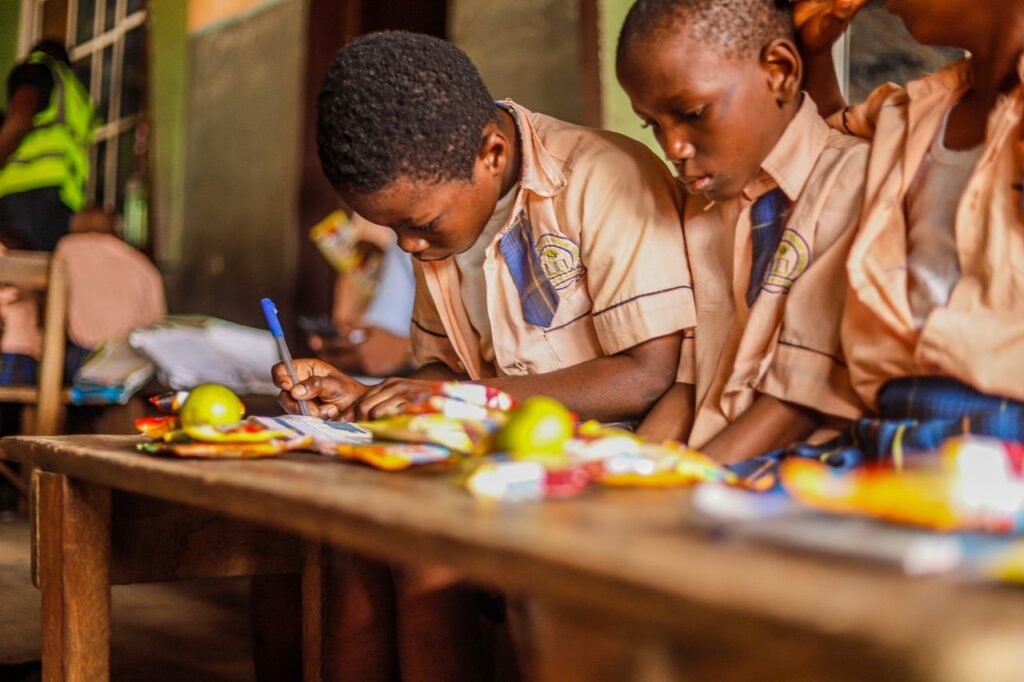
A structured learning environment filled with engaging activities helps stimulate curiosity. Through storytelling, play-based learning, and interactive lessons, children develop strong thinking and problem-solving skills.
Social and Emotional Growth
Early childhood education plays a key role in shaping how children interact with others and manage their emotions.
Learning Through Interaction
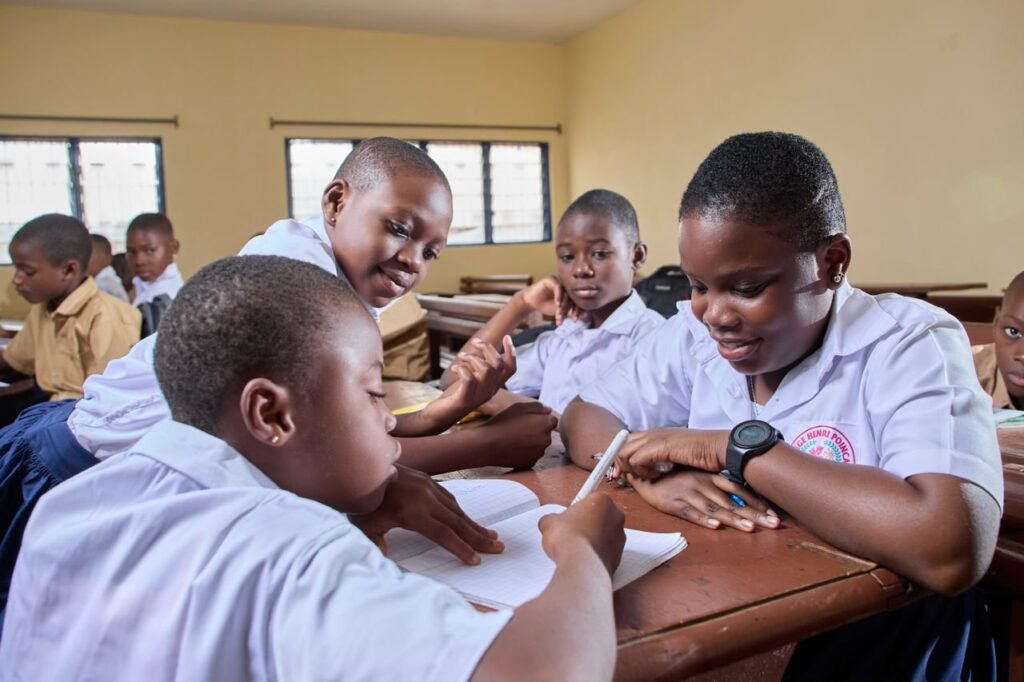
In a classroom setting, children learn how to share, cooperate, and resolve conflicts. These experiences help build empathy, patience, and communication skills.
Developing Confidence and Independence
Children who attend quality early education programs often become more confident and self-reliant as they grow.
Early Identification of Developmental Needs
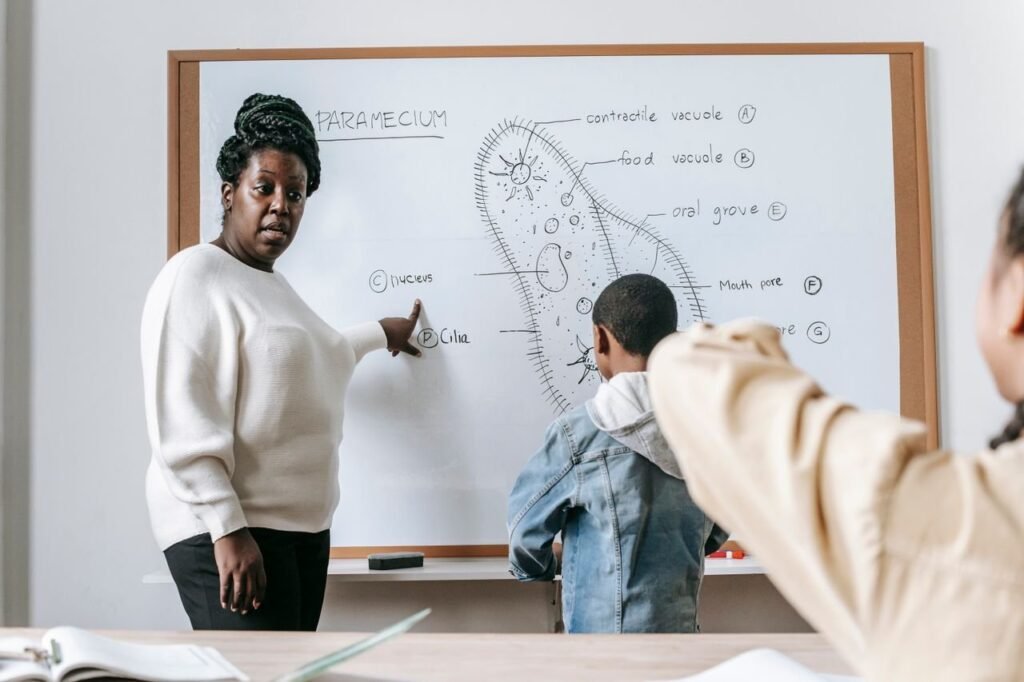
Teachers and caregivers can observe children closely and identify any developmental delays or learning challenges early.
The Power of Early Intervention
With early support, children can overcome challenges more effectively, ensuring they stay on track academically and socially.
Creating a Love for Learning
A positive early learning experience shapes how children view education for the rest of their lives.
Encouraging Curiosity
When learning is fun and engaging, children develop a natural curiosity and excitement for discovering new things.
The Role of Parents and Educators
A strong partnership between parents and teachers enhances a child’s development.
Supporting Learning at Home
Parents gain valuable insights and strategies to continue learning beyond the classroom.
Conclusion
Early childhood education is an investment in the future. It shapes not only what children learn but who they become, laying the foundation for lifelong success.