Introduction
Play is often seen as just a fun activity for children, but in reality, it is one of the most powerful tools for learning. Play-based learning allows children to explore, experiment, and understand the world around them in a natural and engaging way.
What Is Play-Based Learning?
Play-based learning is an educational approach that uses play as the primary method for teaching and development.
Learning Through Exploration
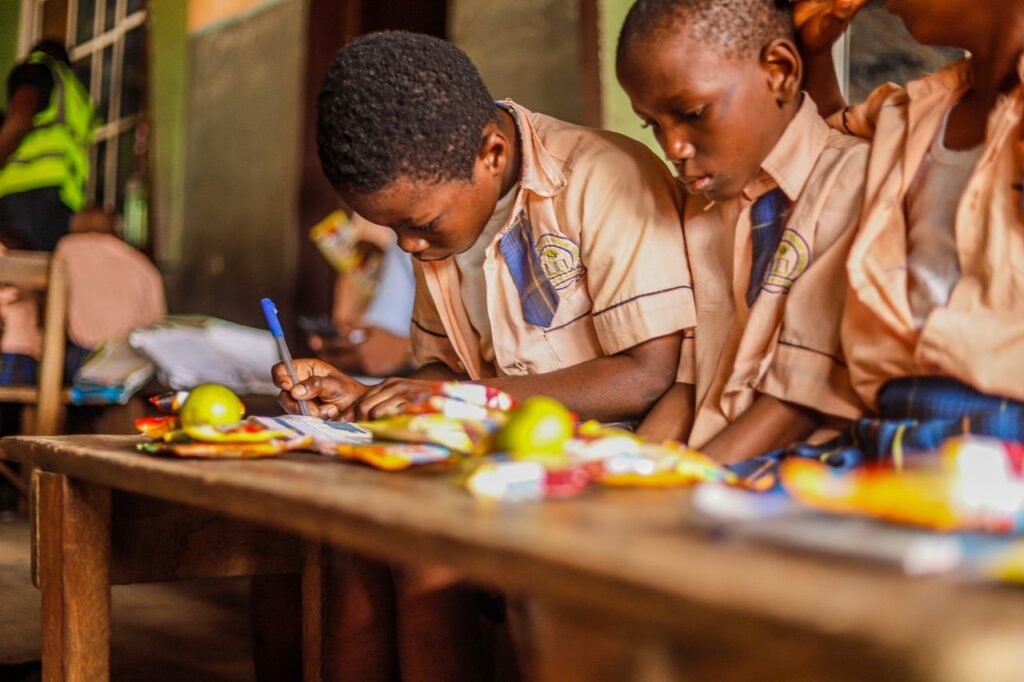
Children learn best when they are actively involved. Through play, they ask questions, test ideas, and discover solutions on their own.
Types of Play in Learning
Different forms of play—such as imaginative play, physical play, and social play—contribute to various areas of development.
Cognitive Benefits of Play
Play stimulates brain development and enhances essential thinking skills.
Problem-Solving Skills
Activities like puzzles and building blocks encourage children to think critically and solve problems creatively.
Language Development
Interactive play, storytelling, and role-playing help improve vocabulary and communication skills.
Social and Emotional Benefits
Play also helps children understand emotions and build relationships.
Learning Cooperation
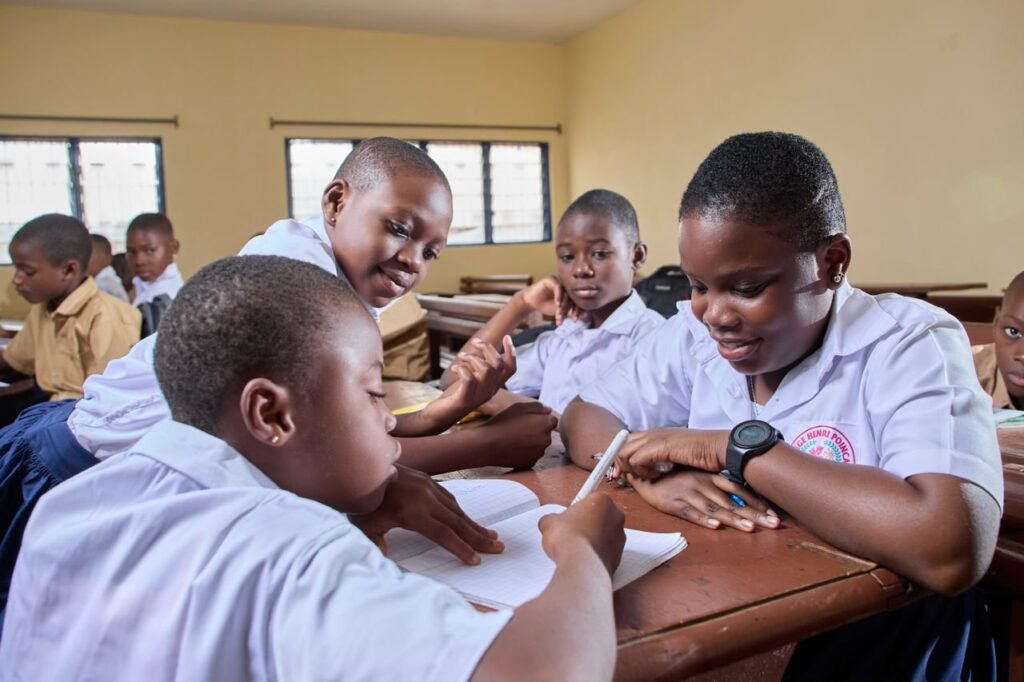
Group play teaches children how to share, take turns, and work as a team.
Emotional Expression
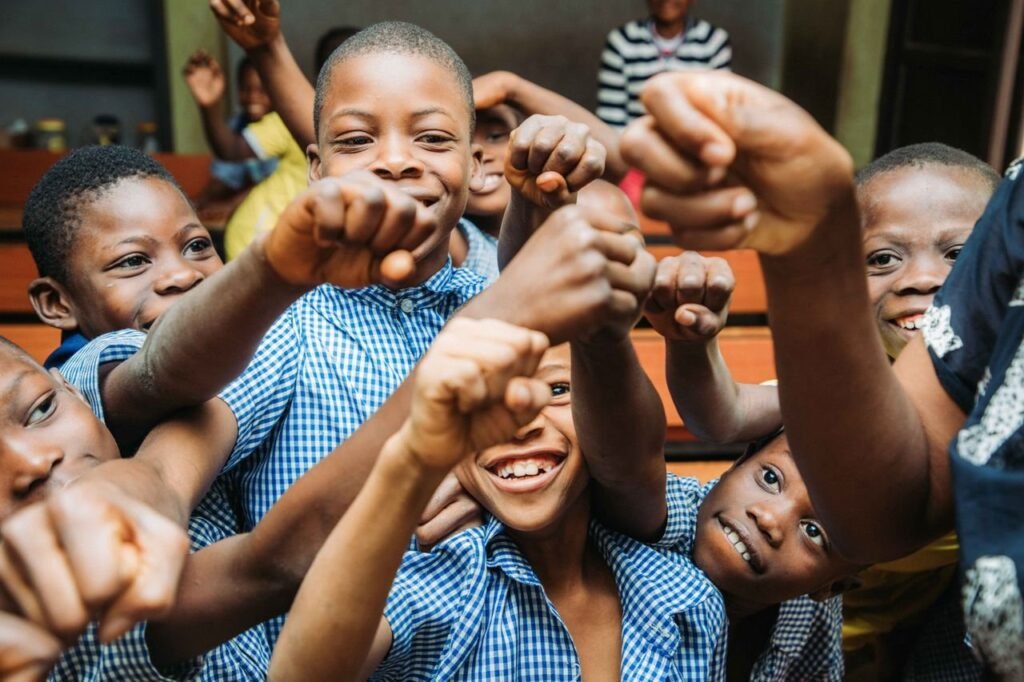
Children express their feelings through play, helping them understand and manage emotions better.
The Role of Teachers and Parents
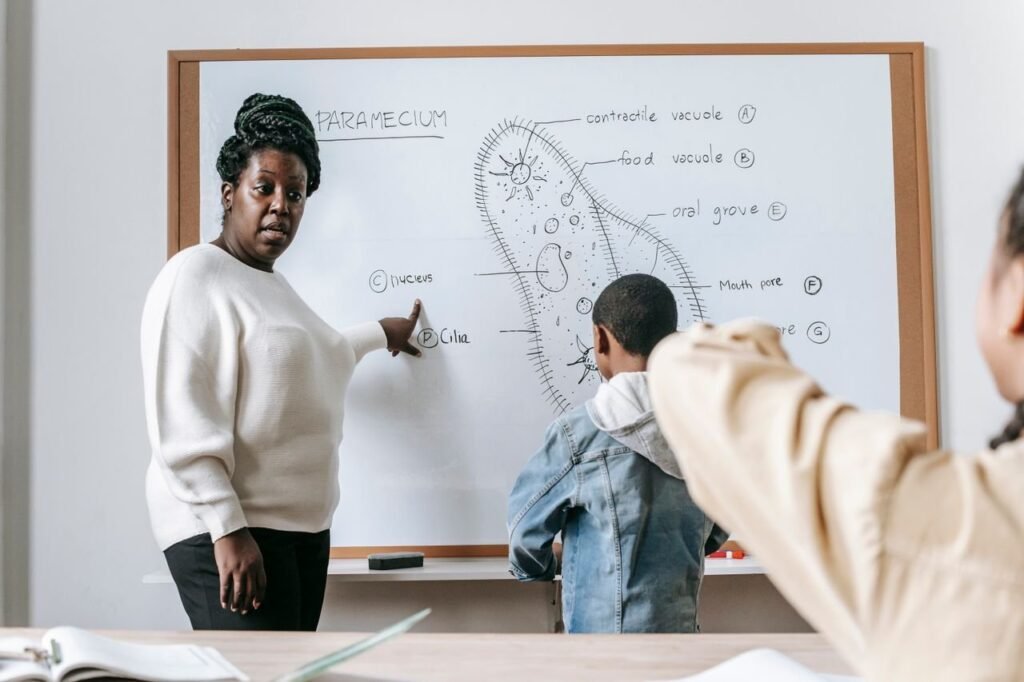
Adults play a key role in guiding play-based learning experiences.
Creating a Safe Learning Environment
Providing a supportive and resource-rich environment encourages children to explore freely.
Balancing Guidance and Freedom
While guidance is important, allowing children independence helps them develop confidence and creativity.
Why Play Matters More Than Ever
In today’s structured world, play is sometimes overlooked, but it remains essential for healthy development.
Building Lifelong Skills
Through play, children develop skills that extend beyond the classroom, including adaptability and resilience.
Conclusion
Play is not just a break from learning—it is learning itself. By embracing play-based education, we give children the opportunity to grow, explore, and thrive.